Tía de los Muertos
Back

Design Brief · Printable Companion

Travel with Tía — Printable Passport Activity

Travel with Tía / Viaja con Tía is an interactive digital passport game on the Tía de los Muertos website. Children tap passport stamps to "visit" real destinations across Mexico and Latin America. Each destination opens a story, photos, and five Spanish vocabulary words. This printable is an offline companion — a physical passport booklet kids can color, stamp, and fill in as they learn, mirroring the digital experience.

Brand & Style Guide

Ink (text)

#17144f · All body text & headings

Ink soft

#5a5878 · Captions, helper text

Marigold

#F2A33C · Primary accent, stamps, CTAs

Marigold deep

#DE8B1F · Hover/pressed states

Tía purple

#7B5EA7 · Secondary accent

Sage

#7FA65A · Tertiary accent

Cream

#FAF6EE · Section backgrounds

Paper

#FFFDF8 · Card surfaces

Fonts: Headings — Fraunces (serif, bold) · Body — Lora (serif) · Optional labels — Press Start 2P.

Mascot: Cali the calaverita (little skull) — friendly guide throughout. Reference: https://media.base44.com/images/public/6a46a106cf77c0b7871a9429/107e302cb_GoodbyeButNotForever.svg

Passport Structure

  • 11 destinations total: 10 main stamps + 1 hidden bonus (unlocked after collecting all 10).
  • Each destination has its own circular passport stamp illustration (assets provided in §Stamp Assets).
  • Suggested booklet: cover page + one page per destination (11 inner pages) + a completion/certificate page.
  • Each destination page includes: stamp, name + country + theme, story blurb, 5 vocabulary words with writing space, a "Did you know?" fact, a "Look closely" prompt, and a "Cali says" speech bubble.

All Destinations (11)

Full content for every stop — copy directly into the layout.

Mexico City stamp

Stop 1

Mexico City

Mexico · Ancient meets modern

#E4B565

Story

Long ago, the Aztec built their city on an island in the middle of a lake. Today, Mexico City is one of the biggest cities in the world. High on a hill sits Chapultepec Castle — once a royal home, now a museum. From the top you can see parks, palaces, and mountains all around.

Vocabulary (5 words)

  • la ciudad— the city
  • el museo— the museum
  • el parque— the park
  • el castillo— the castle
  • el águila— the eagle

Did you know?

Chapultepec Park is one of the largest city parks in the world — even bigger than Central Park in New York!

Look closely

Can you spot the castle on top of the hill?

CCali says:¡La ciudad! ¡El castillo!
Oaxaca stamp

Stop 2

Oaxaca

Mexico · Art, alebrijes & traditions

#E69A7D

Story

In Oaxaca, families have made art for hundreds of years. Some carve fantastic creatures called alebrijes — dragons, lions, and birds that never existed, painted in every color. In the markets you can hear Zapotec and Spanish, smell chocolate and mole, and watch families weaving rugs on looms.

Vocabulary (5 words)

  • el alebrije— the alebrije (spirit animal)
  • el mercado— the market
  • la plaza— the square
  • el arte— the art
  • la familia— the family

Did you know?

Alebrijes are bright, imaginary animals carved from wood and painted with swirling colors — dreamed up by an artist in Oaxaca in 1936.

Look closely

Can you find a brightly painted alebrije?

CCali says:¡El alebrije!
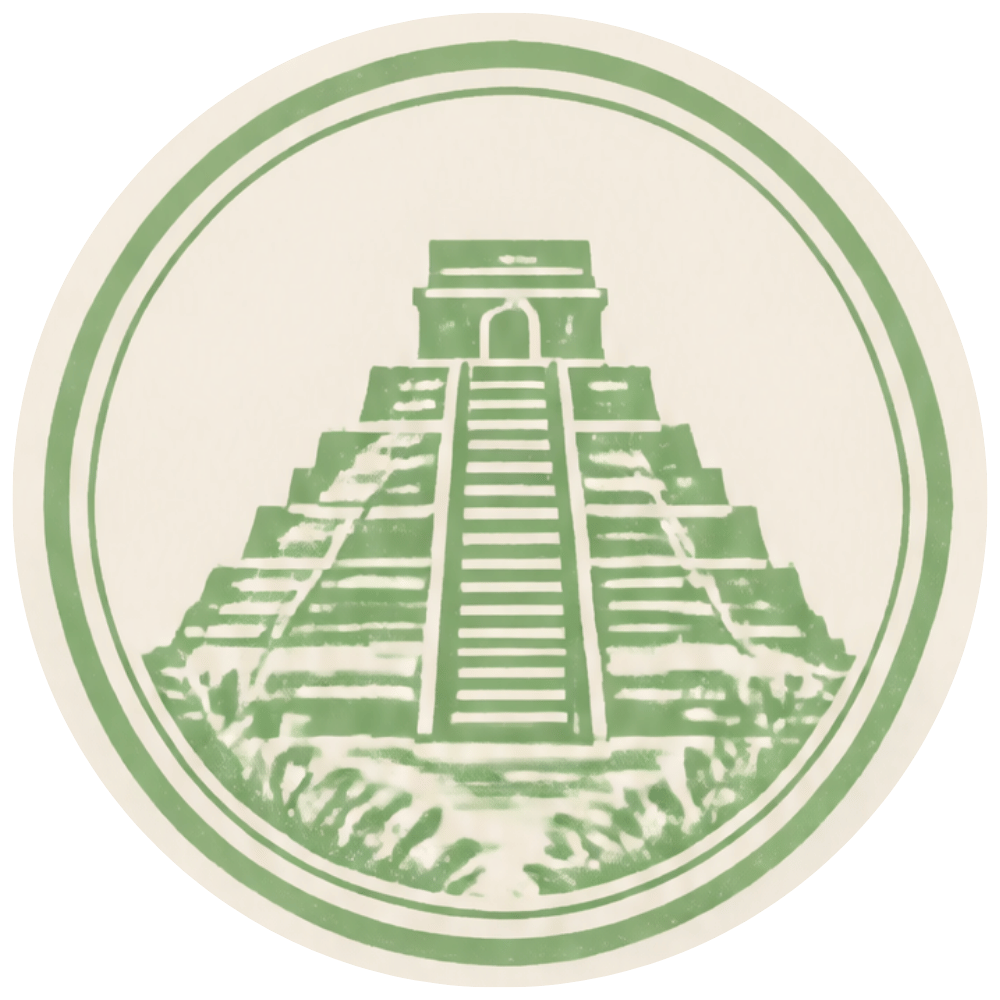
Chichén Itzá stamp

Stop 3

Chichén Itzá

Mexico · Maya civilization & astronomy

#89A97C

Story

A thousand years ago, the Maya built a great city in the jungle. At its center stands the Pyramid of Kukulkán. The Maya were expert astronomers — they built the pyramid so that on special days, the sun makes a serpent of light slither down its stairs.

Vocabulary (5 words)

  • la pirámide— the pyramid
  • el templo— the temple
  • el sol— the sun
  • la serpiente— the serpent
  • los mayas— the Maya

Did you know?

Twice a year, at sunrise, a shadow shaped like a serpent slithers down the pyramid's stairs!

Look closely

Can you count the steps of the pyramid?

CCali says:¡La pirámide!
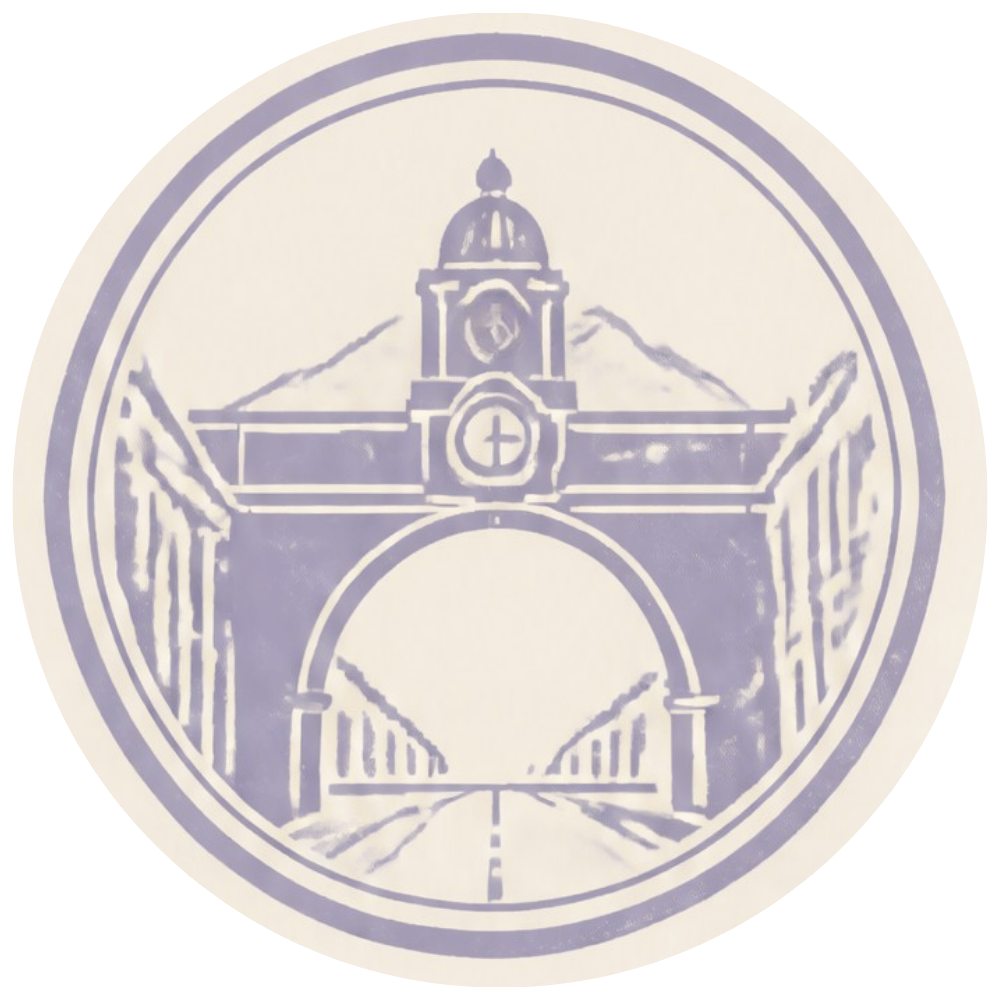
Antigua stamp

Stop 4

Antigua

Guatemala · Colonial architecture & volcanoes

#A3A3C2

Story

Antigua was once the capital of Guatemala, with cobblestone streets and grand churches. Volcanoes watch over the town, and a famous yellow arch was built so cloistered nuns could walk to a garden without being seen. Earthquakes shook the city long ago, but its beauty still stands.

Vocabulary (5 words)

  • el arco— the arch
  • la iglesia— the church
  • el volcán— the volcano
  • la calle— the street
  • la campana— the bell

Did you know?

Antigua sits between three giant volcanoes, and colorful arches were built so nuns could cross the street unseen.

Look closely

Can you find the arch with the volcano behind it?

CCali says:¡El arco! ¡El volcán!
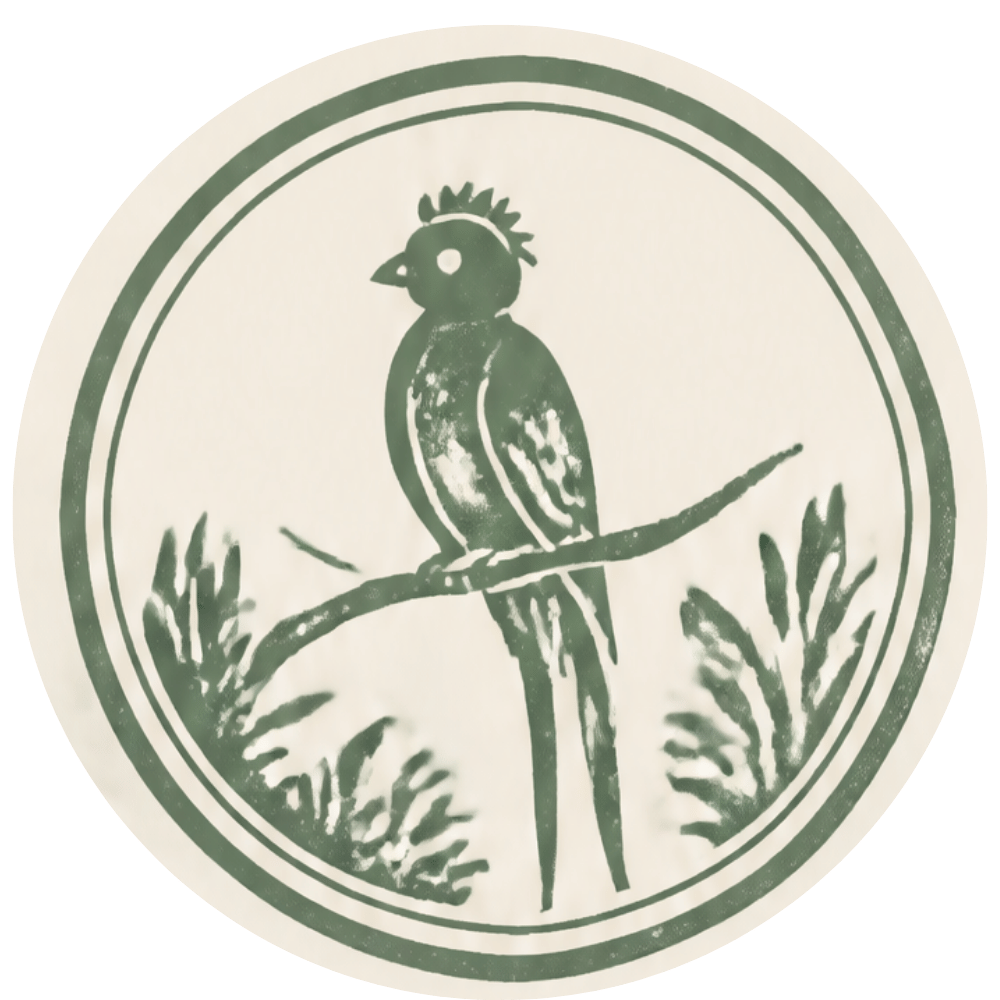
Monteverde stamp

Stop 5

Monteverde

Costa Rica · Cloud forest & wildlife

#7A8B74

Story

High in the clouds of Costa Rica lives a forest where mist hangs in the trees and moss covers every branch. The resplendent quetzal, a jewel-bright bird, makes its home here. Conservationists protect the forest so wildlife can thrive.

Vocabulary (5 words)

  • el bosque— the forest
  • el quetzal— the quetzal (bird)
  • la hoja— the leaf
  • la nube— the cloud
  • el árbol— the tree

Did you know?

The cloud forest is so wet that plants grow on top of other plants — and the rare quetzal bird lives here.

Look closely

Can you find a quetzal hiding in the trees?

CCali says:¡El bosque! ¡El quetzal!
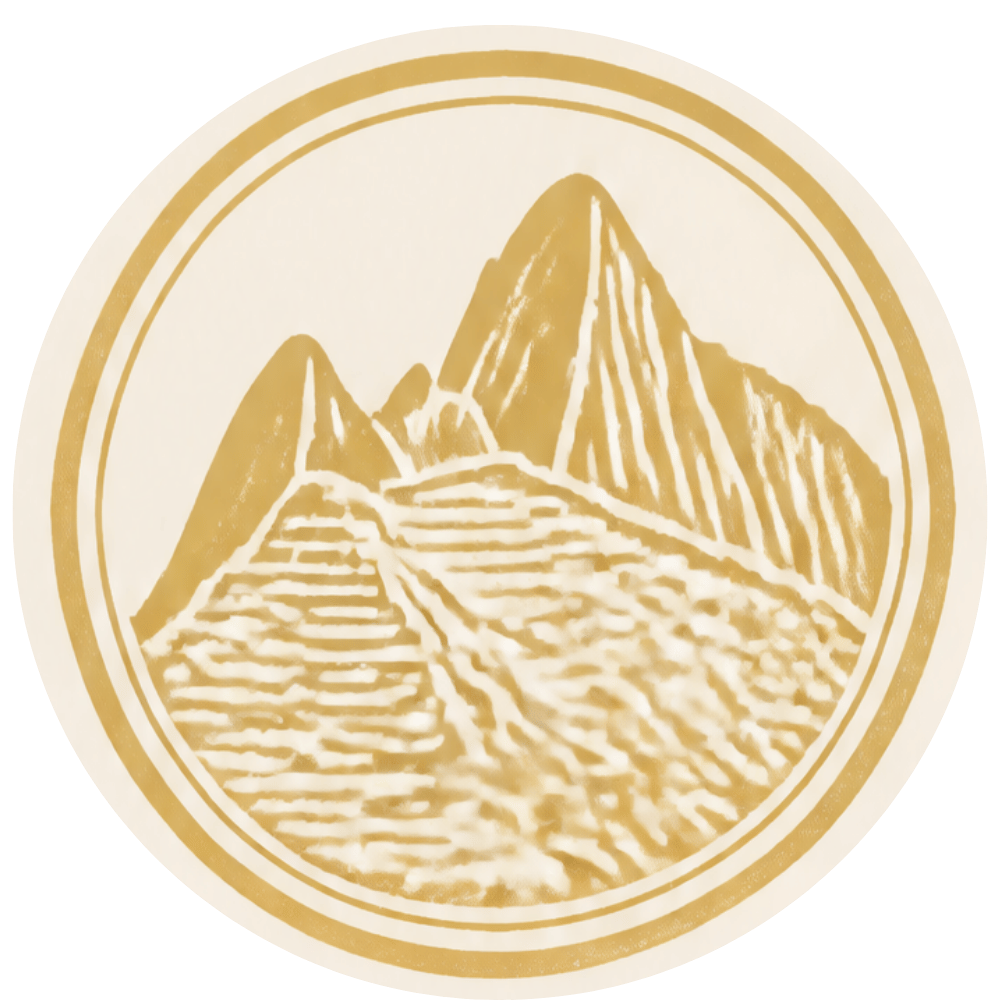
Cusco stamp

Stop 6

Cusco

Peru · Inca Empire & mountains

#D4AC6A

Story

Cusco was the heart of the Inca Empire. The Inca built temples and roads and terraces high in the Andes mountains. Their stones fit so tightly they have lasted centuries. Today people still walk the old paths to nearby Machu Picchu, the city in the clouds.

Vocabulary (5 words)

  • la montaña— the mountain
  • la piedra— the stone
  • el camino— the path
  • el cóndor— the condor
  • el imperio— the empire

Did you know?

The Inca fit their giant stones so perfectly that you can't slip a paper between them, even after 500 years.

Look closely

Can you find the stone walls built by the Inca?

CCali says:¡La montaña!
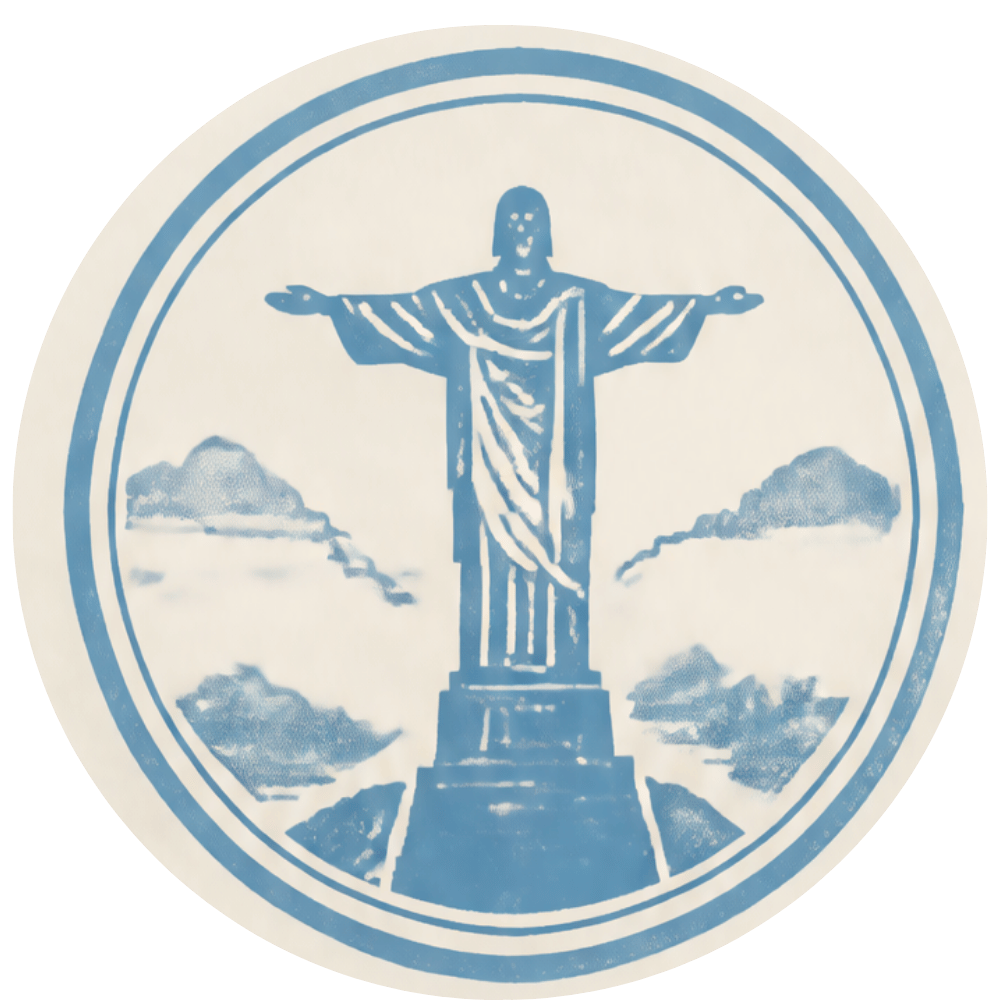
Rio de Janeiro stamp

Stop 7

Rio de Janeiro

Brazil · Mountains, beaches & Christ the Redeemer

#7597B4

Story

Rio de Janeiro meets the sea between mountains and beaches. Above it all stands Christ the Redeemer, arms wide open atop Corcovado Mountain. Below, the beaches of Copacabana sparkle, and music fills the air day and night.

Vocabulary (5 words)

  • la playa— the beach
  • el océano— the ocean
  • la estatua— the statue
  • la montaña— the mountain
  • el cielo— the sky

Did you know?

Christ the Redeemer stretches its arms 28 meters wide and is lit up at night for the whole city to see.

Look closely

Can you find the statue with open arms?

CCali says:¡La estatua!
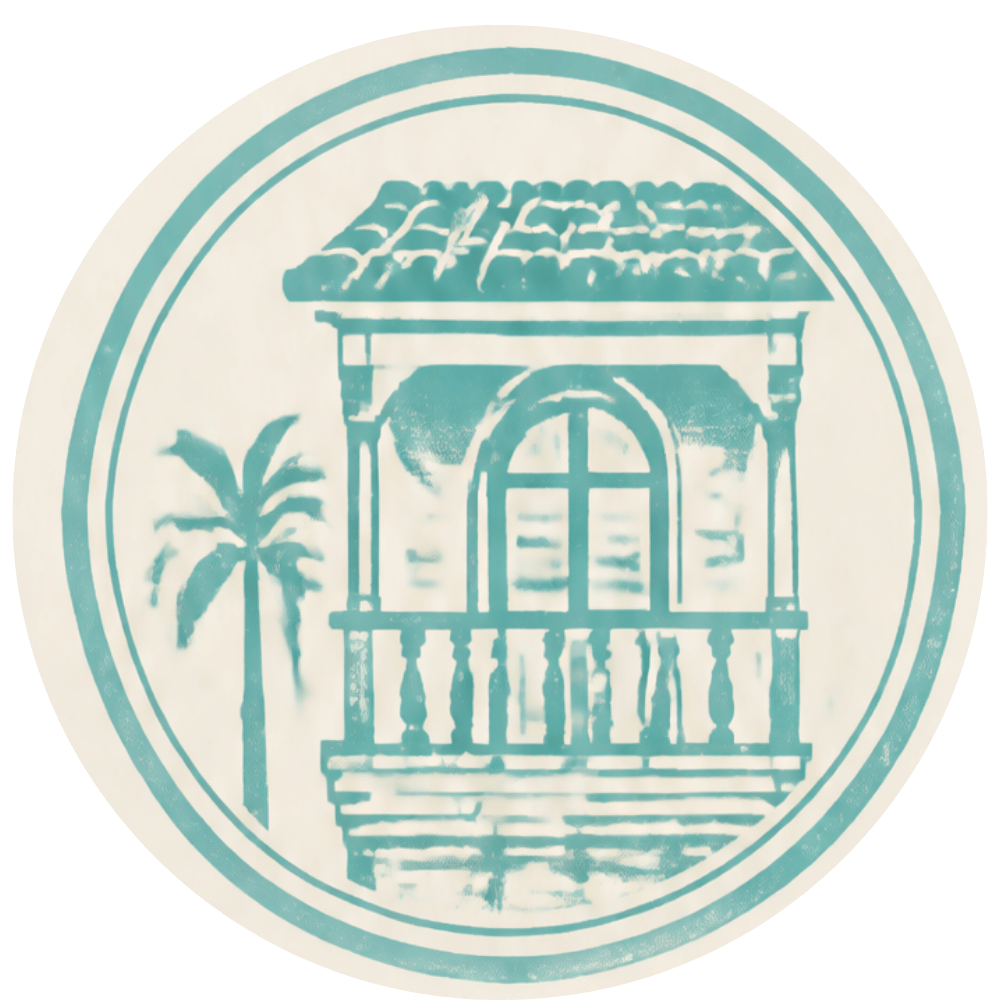
Cartagena stamp

Stop 8

Cartagena

Colombia · Pirates & colonial history

#6CAFB0

Story

On the Caribbean coast, Cartagena was a Spanish port full of gold — and a target for pirates. To protect it, people built thick stone walls and a fortress by the sea. Today the walled city glows with balconies, flowers, and color.

Vocabulary (5 words)

  • el balcón— the balcony
  • el puerto— the port
  • el mar— the sea
  • la flor— the flower
  • la muralla— the wall

Did you know?

Long ago, pirates attacked Cartagena, so people built a giant stone wall all the way around the city.

Look closely

Can you count the balconies on the wall?

CCali says:¡La muralla!
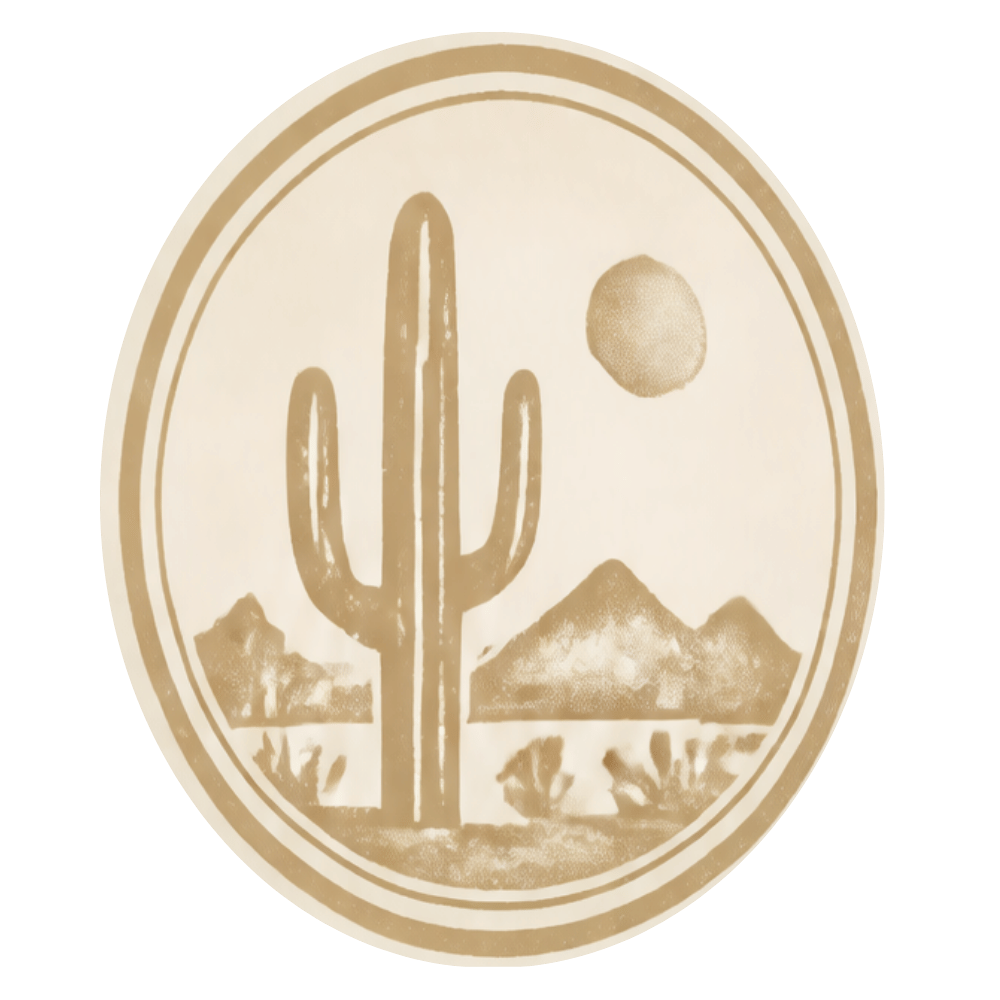
San Pedro de Atacama stamp

Stop 9

San Pedro de Atacama

Chile · Desert & stars

#C5A478

Story

In the high desert of Chile, the town of San Pedro de Atacama sits beneath volcanoes. By day, the desert is silent and golden. By night, the sky fills with more stars than you can imagine — one of the best places on Earth to see the Milky Way.

Vocabulary (5 words)

  • el desierto— the desert
  • la estrella— the star
  • la luna— the moon
  • el cactus— the cactus
  • la arena— the sand

Did you know?

The Atacama Desert is one of the driest places on Earth — some parts have never recorded any rain!

Look closely

Can you find the volcano watching over the town?

CCali says:¡El desierto! ¡La luna!
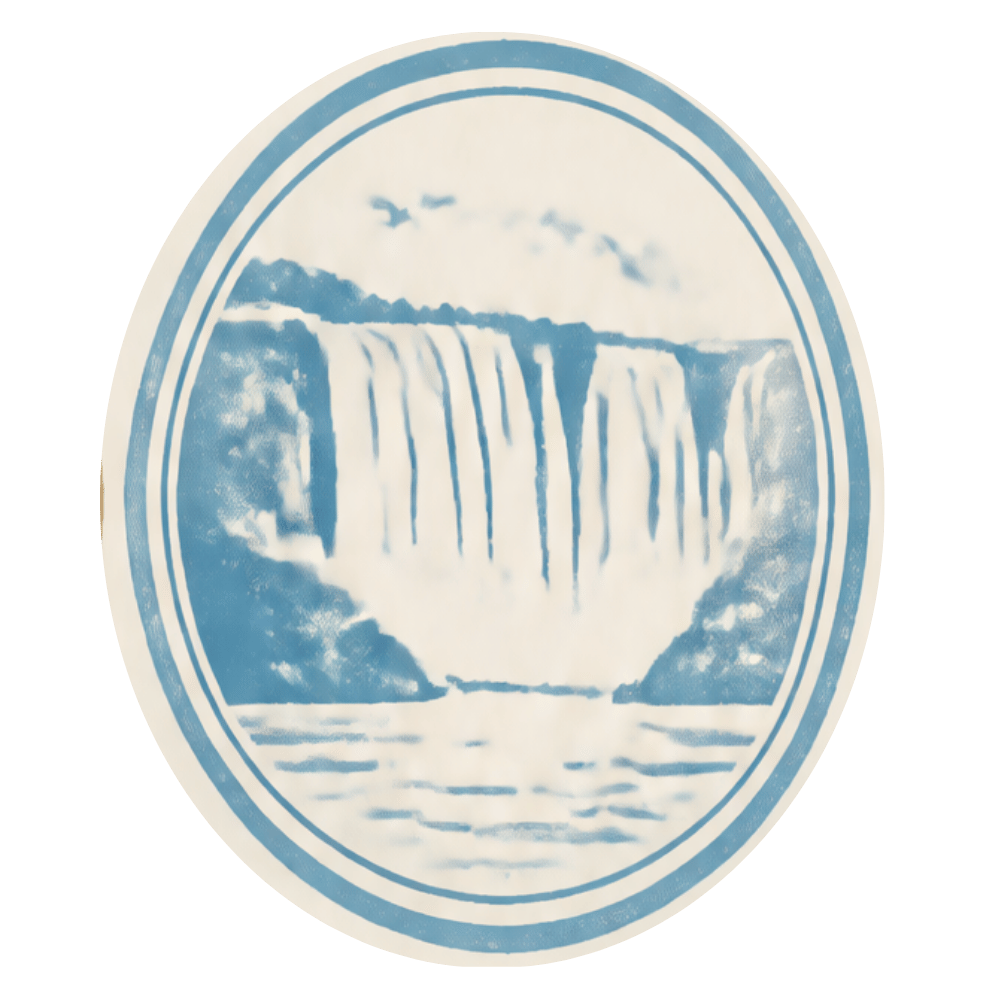
Iguazú Falls stamp

Stop 10

Iguazú Falls

Argentina & Brazil · Waterfalls & rainforest

#6A9BB7

Story

Where Brazil and Argentina meet, the Iguazú River tumbles over cliffs into a giant rainforest. The mist rises so high it makes rainbows. Indigenous Guaraní stories say the falls were born from the anger of a river god.

Vocabulary (5 words)

  • la cascada— the waterfall
  • el río— the river
  • la mariposa— the butterfly
  • la selva— the rainforest
  • el arcoíris— the rainbow

Did you know?

Iguazú Falls has around 275 separate waterfalls and is taller and wider than Niagara Falls.

Look closely

Can you find a rainbow in the mist?

CCali says:¡El arcoíris!
Cenote Suytun stamp

Stop 11 · Bonus

Cenote Suytun

Mexico · Underground cave & sacred Maya waters

#4E9B9A

Story

Deep underground in the Yucatán, sunlight falls through a hole in the roof of a cave, lighting the clear water below. The Maya called these sacred wells cenotes — doorways to another world. At Cenote Suytun, a single beam of light turns the water to glowing blue.

Vocabulary (5 words)

  • el cenote— the cenote
  • el agua— the water
  • la cueva— the cave
  • la piedra— the stone
  • la luz— the light

Did you know?

The Maya believed cenotes were doorways to the underworld, and a beam of sunlight turns the water glowing blue.

Look closely

Can you find the beam of light in the water?

CCali says:¡El cenote! ¡La luz!

Stamp Image Assets

All stamps live under: https://media.base44.com/images/public/6a46a106cf77c0b7871a9429/

#DestinationFilename
1Mexico City8823afc40_MexicoCity.png
2Oaxaca0ff64b077_Oaxaca.png
3Chichén Itzác0af83d27_ChichenItza.png
4Antiguacf5eb8bf9_Antigua.png
5Monteverde6873bd671_Monteverde.png
6Cusco0aed35d2d_Cusco.png
7Rio de Janeirof415321cf_RiodeJaneiro.png
8Cartagenac9326cbd5_Cartagena.png
9San Pedro de Atacamaff05e2fa2_SanPedrodeAtacama.png
10Iguazú Falls41cb07f51_IguazuFalls.png
11Cenote Suytun (bonus)3daf05d4a_CenoteSuytun.png

Suggested Printable Layout

Cover page

"My Travel with Tía Passport" / "Mi Pasaporte de Viaja con Tía" · "This passport belongs to: ______" · "Age: ___" · Cali mascot + marigold border · a row of 11 small empty stamp circles to color in as each destination is visited.

Destination pages (one per stop)

Stop number + name + country flag · large stamp (color-in or pre-printed) · theme tag · story paragraph · vocabulary box (5 lines with Spanish — English + a tracing line) · "Did you know?" callout · "Look closely!" prompt + small drawing box · "Cali says:" speech bubble.

Completion page

"¡Felicidades! You visited all 11 destinations." · certificate-style seal with name + date lines · a mini world map showing the route across Latin America.

Notes for the Designer

  • The digital game uses a wavy vertical path connecting stamps; the printable can use a linear numbered path or a map-based route across Latin America — designer's choice.
  • Each stamp has a unique accent color (listed per destination) — use it for that page's accents, borders, and stamp tint.
  • Keep all text bilingual-ready: pair every label (e.g., "Story / Cuento", "Did you know? / ¿Sabías que?").
  • Vocabulary words are the core learning takeaway — give them the most space and a tracing/writing line each.
  • The bonus destination (Cenote Suytun) should feel like a reward — consider a "sealed" wax-stamp treatment revealed only at the end.
  • Print format: US Letter (8.5"×11") portrait, bleed 0.125", CMYK, 300dpi.
Tía de los Muertos · Travel with Tía Printable Passport Spec · Generated from live game data